
RITMS Center for HIV-Associated Co-Morbidities and Translational Science (CHACTS)
Mission Statement
The Center for HIV-Associated Co-morbidities and Translational Science (CHACTS), established in 2026, is dedicated to advancing transformative research at the intersection of HIV and its associated co-morbidities. As a premier national research center within a leading academic medical institution, CHACTS fosters innovative, multidisciplinary collaborations that accelerate the translation of scientific discoveries into clinical solutions. Through a highly collaborative and translational research environment, CHACTS addresses the complex biological, immunological, and clinical challenges faced by people living with HIV. By bridging basic science, translational research, and patient-centered clinical investigation, the Center is committed to developing novel therapeutic strategies that improve long-term health outcomes and quality of life for individuals with HIV.
Meet the Director
Led by World-Renowned HIV Translational Scientist

Tricia H. Burdo, Ph.D.
Center Director, CHACTS
Associate Director, Rutgers Institute for Translational Medicine and Science
Henry Rutgers Endowed Professor of Translational Medicine and Science
Professor of Medicine, Robert Wood Johnson Medical School
Dr. Tricia H. Burdo is an internationally recognized investigator whose research focuses on HIV-associated co-morbidities, chronic immune activation, cardiovascular disease, neuroHIV, and innovative HIV cure strategies. Her work bridges basic immunology, translational science, and clinical research to improve the health and well-being of people with HIV. Her laboratory has pioneered studies examining the role of monocyte and macrophage activation in HIV-associated cardiovascular disease, neurocognitive disorders, and chronic inflammation. More recently, Dr. Burdo has led groundbreaking efforts utilizing CRISPR/Cas9 gene-editing technologies in non-human primate models to advance HIV cure research and accelerate the development of next-generation therapeutic approaches. Through her scientific leadership, Dr. Burdo continues to drive innovative discoveries that enhance our understanding of HIV pathogenesis and improve outcomes for individuals with HIV worldwide.
Training
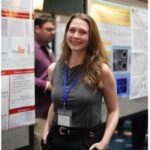 A central goal of CHACTS is the training of the next generation of HIV scientists who will advance HIV research. Through participation in collaborative, interdisciplinary research projects, graduate students will receive rigorous training in cutting-edge experimental techniques, computational methods, and data-driven discovery approaches. CHACTS provides a unique environment where trainees work closely with faculty mentors and peers across disciplines, developing the technical expertise, creativity, and leadership skills needed to address complex scientific challenges. By fostering innovation, collaboration, and professional development, CHACTS is helping to build a diverse and highly skilled workforce prepared to lead future advances in science.
Director’s Welcome Message
“At CHACTS, we believe that solving the challenges of HIV-associated co-morbidities requires collaboration across disciplines, institutions, and communities. Our mission is to transform scientific discoveries into tangible health benefits for people with HIV while training future leaders and advancing innovative translational science. Together, we are building a healthier future for all individuals with HIV.”
— Dr. Tricia H. Burdo, Center Director